
Introduction:“A Paradigm Shift in Upstream Processing”
Fed-batch culture has long been the dominant approach to commercial upstream biomanufacturing, thanks to its established processes, relatively straightforward operation, and manageable capital investment. However, as complex biologics, including bispecific antibodies, antibody-drug conjugates (ADCs), recombinant proteins, and viral vectors for gene therapy, continue to advance, the industry is seeking greater productivity, improved product quality, and increased manufacturing flexibility.
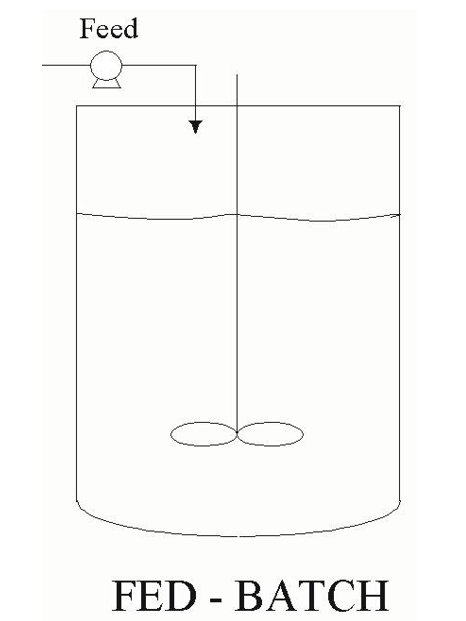
Fed-Batch Culture Process
In contrast, perfusion culture enables high cell densities, high volumetric productivity, and continuous product harvesting. It is gaining traction in the production of monoclonal and bispecific antibodies, vaccines, recombinant proteins, and cell and gene therapies (CGT), making it an important enabler of continuous biomanufacturing. Integrating perfusion processes with single-use bioreactors (SUBs) offers a flexible manufacturing solution that supports continuous production.
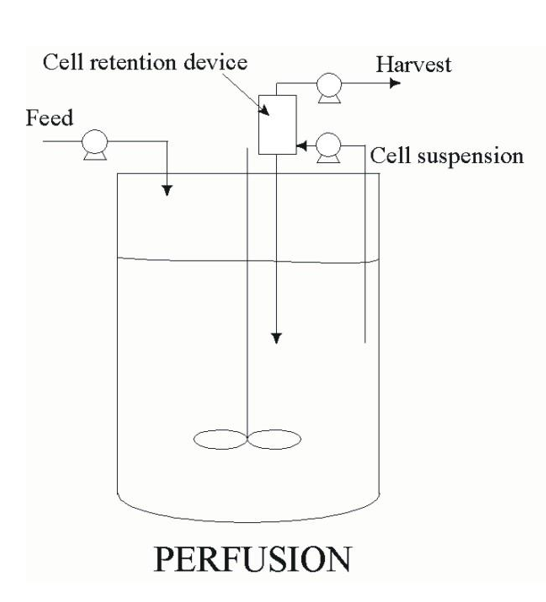
Perfusion Culture Process
However, perfusion culture also brings greater demands for process control, consumables supply, cost management, and scale-up. Evaluating a single-use perfusion process therefore requires more than assessing cell density and productivity. It also calls for a comprehensive evaluation of process performance, product quality, operating costs, and commercial viability.
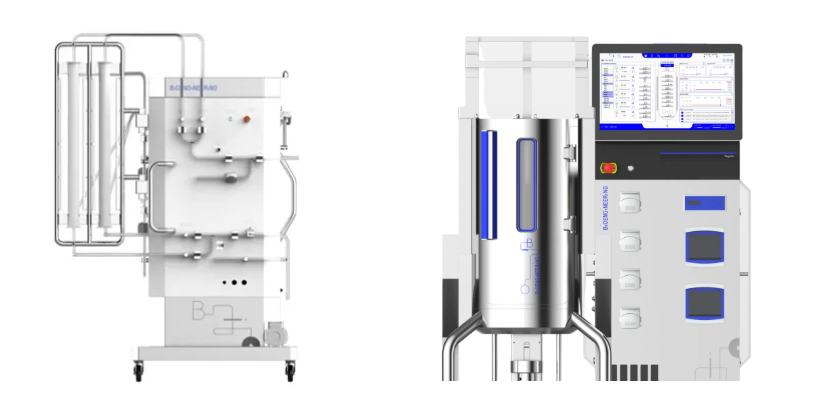
Bioengineering Bagento Single-Use Bioreactor Perfusion Solution
The Core Value of Single-Use Perfusion Processes
1.Increasing Production Capacity per Unit Volume and Optimizing Facility Layout
In conventional fed-batch culture, increasing production capacity often requires larger bioreactors, driving up construction costs and increasing demand for utilities such as purified water, water for injection (WFI), and pure steam.
By contrast, single-use perfusion processes continuously supply fresh culture medium and remove metabolic waste, while cell retention systems such as alternating tangential flow (ATF) or tangential flow filtration (TFF) retain cells in the bioreactor. This allows cells to remain in a favorable physiological state over extended periods. Cell densities can reach 60–200 × 106 cells/mL—typically 2–6 times those achieved with conventional fed-batch culture—while volumetric productivity can be 3–10 times higher.
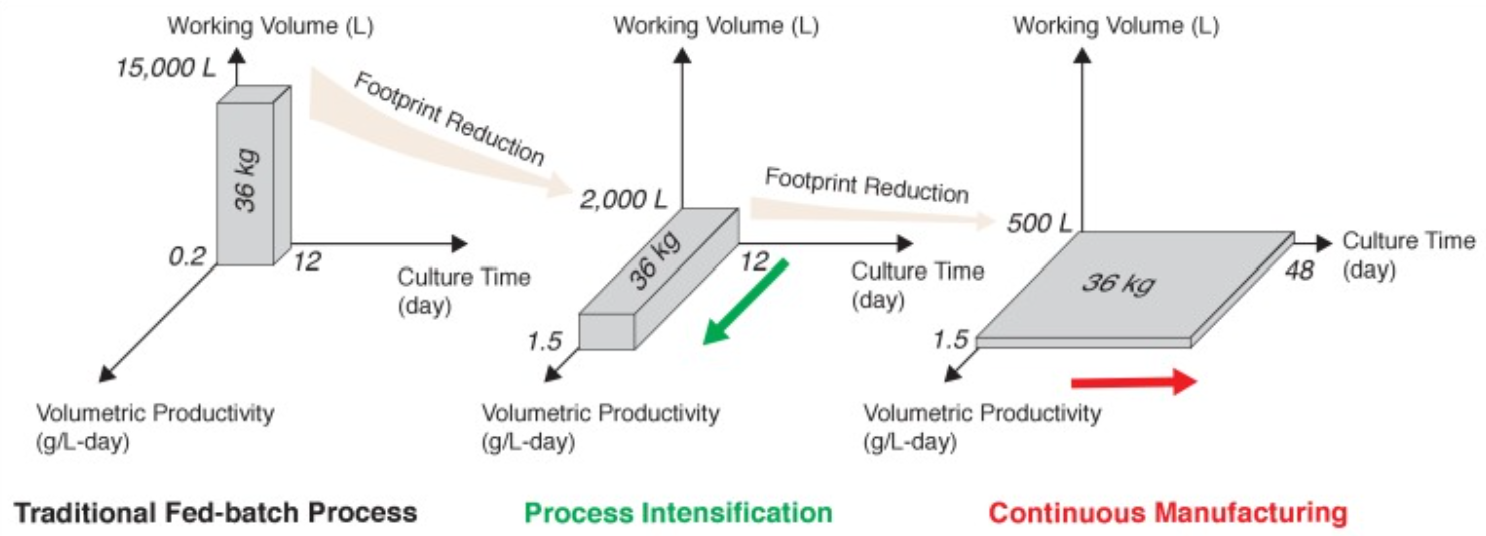
Comparison of Volumetric Productivity in Fed-Batch, Intensified, and Continuous Manufacturing Processes
With higher culture efficiency, a 500 L single-use perfusion system can deliver production capacity comparable to that of conventional fed-batch systems with working volumes of several thousand liters or even more than 10,000 liters. For greenfield projects, this can reduce facility footprint and investment in HVAC (heating, ventilation, and air conditioning), utilities, and supporting infrastructure, helping lower overall construction costs and improve space utilization. For contract development and manufacturing organizations (CDMOs) and innovative biopharmaceutical companies, single-use perfusion technology offers a more capital-efficient and flexible approach to clinical and small-scale commercial manufacturing, particularly for complex biologics such as bispecific antibodies and viral vectors.
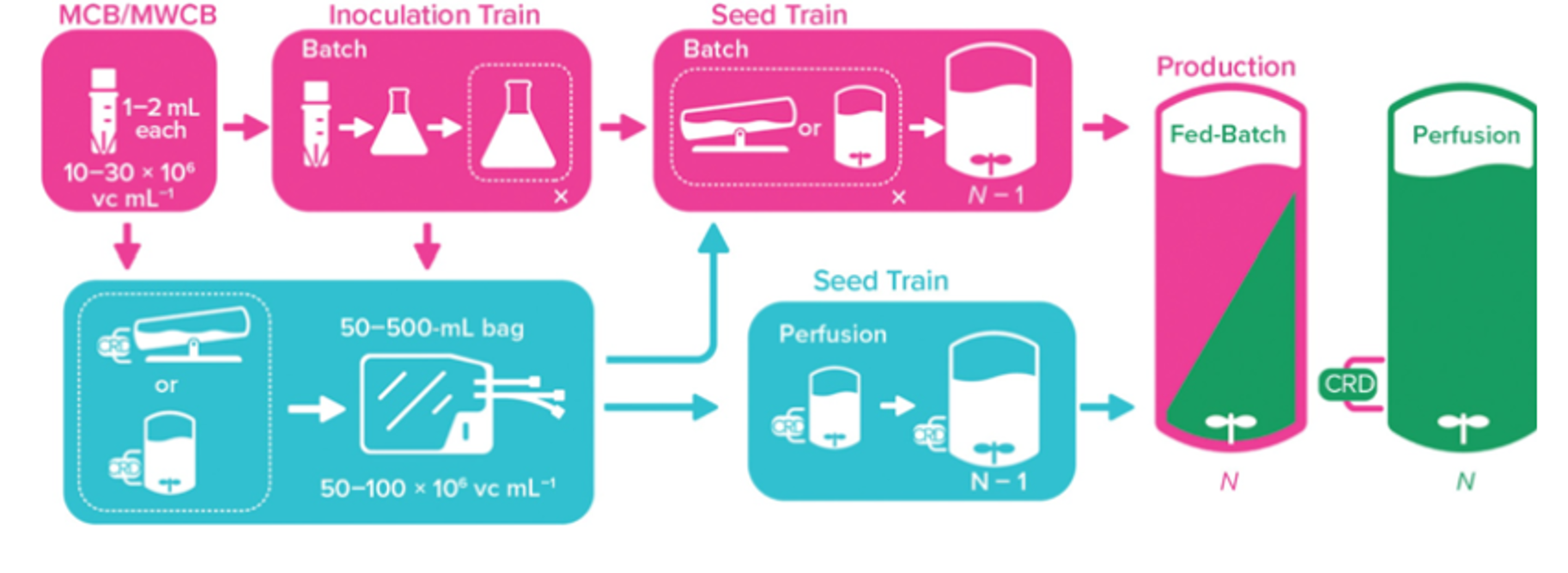
Comparison of Seed Expansion and Production Workflows in Fed-Batch and Perfusion Culture
2.Reducing Cross-Contamination Risks and Enhancing Process Flexibility
In conventional stainless steel multiproduct facilities, product changeovers typically require cleaning-in-place (CIP), sterilization-in-place (SIP), and cleaning validation, all of which can affect production schedules and equipment utilization. Single-use systems use disposable product-contact components, including bags, tubing, and filters, that are supplied presterilized. This reduces the need for conventional cleaning and sterilization and helps minimize the risk of cross-contamination between batches or products.
For innovative biopharmaceutical companies with diverse pipelines, the flexibility to produce multiple molecules on shared production lines can be particularly valuable. Clinical-stage projects often evolve rapidly, requiring frequent process adjustments. Single-use systems facilitate rapid development at the laboratory and pilot scales, as well as scale-up, helping accelerate the transition from laboratory research to clinical development while providing greater project flexibility.
3.Optimizing product Quality
For many biologics, the time a product spends in the bioreactor (holding time) can directly affect its critical quality attributes. A key advantage of perfusion is that products can be harvested continuously as they are produced, reducing protein holding time in the bioreactor and helping minimize degradation, aggregation, and unwanted post-translational modifications, including deamidation, oxidation, and glycosylation variations.
This approach can be particularly beneficial for degradation-prone recombinant proteins, coagulation factors, and certain viral vectors, such as AAV and lentiviral vectors, resulting in significantly better product quality than fed-batch culture. Combined with closed single-use tubing systems, closed operations from media preparation and cell culture to continuous harvesting also reduce the risk of microbial contamination from open handling and support the implementation of end-to-end continuous manufacturing.
4.Reducing Infrastructure and Validation Burdens to Accelerate Facility Deployment
Conventional stainless steel perfusion facilities require extensive water-for-injection and pure-steam systems, complex valve and piping networks, and CIP stations, resulting in high upfront capital expenditure (CAPEX) and substantial validation requirements.
By contrast, single-use perfusion systems reduce reliance on utility infrastructure and may allow greater flexibility in cleanroom classification requirements, depending on the facility design and applicable regulations. Validation efforts shift away from complex vessel cleaning and sterilization toward consumables supplier qualification, extractables and leachables (E&L) assessments, and verification of bag-to-bag consistency. With simpler facility infrastructure, companies can shorten construction and commissioning timelines for new production lines and bring projects online more quickly.
Challenges Facing Single-Use Perfusion Processes
The main challenges of single-use perfusion include four key areas: system complexity, operating costs, scale-up, and regulatory compliance.
1.Greater System Complexity and Risks During Extended Runs
A complete single-use perfusion system typically includes ATF/TFF cell retention devices, extensive single-use tubing, medium storage bags, harvest bags, and various sensors. Compared with a single-use fed-batch bioreactor, these assemblies contain more components and tubing connections, increasing system complexity.
During perfusion runs lasting 20–40 days, each connection presents a potential failure point, with risks including leaks, tubing kinks, and membrane module failures. Membrane fouling is another persistent challenge. Irreversible fouling of a single-use cell retention module can render the entire assembly unusable and jeopardize the production batch.
2.High Medium Consumption and Rising Operating Costs
Perfusion maintains a steady cellular state through continuous medium exchange, typically at 1–2 vessel volumes per day (VVD). This means that a volume of fresh medium equivalent to 1–2 times the bioreactor's working volume is used daily, resulting in substantially higher medium consumption than in fed-batch culture. Although efficiency in producing each unit of product improves, direct material costs, including culture medium, single-use bags, and hollow-fiber cartridges, can also rise. Economic assessments often emphasize lower production costs per unit of product without fully accounting for material consumption during process development. Repeated, long-duration perfusion runs during process optimization can significantly increase R&D spending on media and consumables. The economic benefits of perfusion are therefore most likely to be realized when production line utilization is high and output reaches a commercially viable scale.
3.Nonlinear Scale-Up Challenges and Consistency During Extended Runs
At the laboratory scale, using 2 L or 5 L single-use bioreactors, target cell densities and productivity may be relatively easy to achieve. At commercial scales of several hundred liters, however, mixing, mass transfer, dissolved oxygen distribution, shear forces, and cell retention efficiency can change in complex, nonlinear ways.
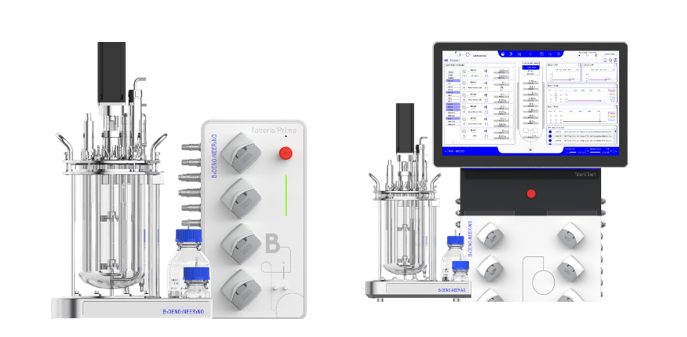
Bioengineering Taberis Benchtop Bioreactor
Decades of fluid dynamics and mass transfer data from stainless steel vessels make scale-up risks relatively predictable. Flexible single-use stirred bags, however, introduce additional constraints related to bag flexibility, impeller configuration, and sparger design. Maintaining adequate dissolved oxygen levels and uniform mixing at high cell densities and larger scales remains a significant challenge. In addition, batch-to-batch variations in membrane materials, tubing, and connectors can affect cell metabolism and product quality during 20–30-day culture runs. Companies must therefore establish rigorous supplier auditing and incoming consumables inspection procedures, requiring substantially more work to develop and establish a quality management system than conventional fed-batch processes.
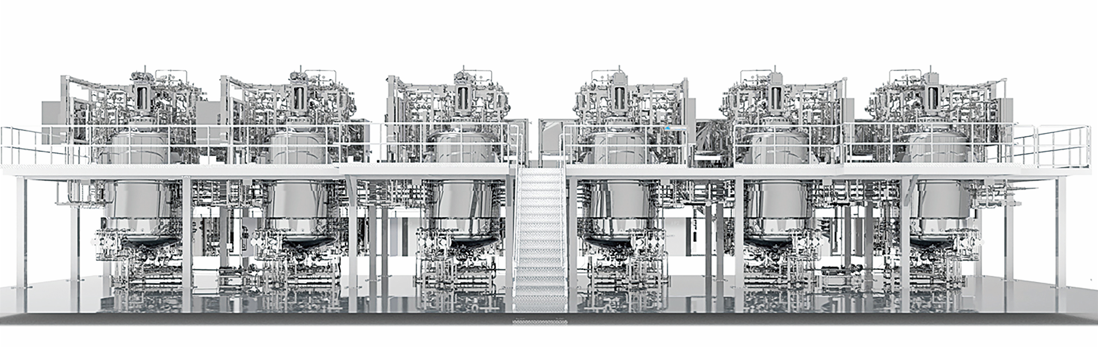
Morimatsu Stainless Steel Bioreactor and Fermentation Tank Systems
4.E&L, Supply Chain, and Sustainability Challenges
Because cells remain in contact with plastic consumables for extended periods, the potential cumulative impact of extractables and leachables (E&L) is greater than in short-duration batch processes. E&L is therefore a key consideration for regulatory authorities, including the NMPA and FDA, during regulatory review. Companies must invest substantial resources in comprehensive E&L assessments to ensure that no safety risks remain.
In addition, large volumes of plastic consumables must be disposed of as hazardous waste after use, generating significant amounts of solid waste. Although life cycle assessments (LCAs) indicate that single-use systems consume substantially less water and steam energy than stainless steel systems, plastic waste remains an ongoing industry concern. As recycling technologies advance, commercial facilities should plan for waste disposal early and continue exploring ways to improve the sustainability of biomanufacturing.
5.Process Development and Workforce Capabilities
Perfusion requires an integrated process strategy that includes precise control of perfusion rates, real-time monitoring of cell retention efficiency, online and offline metabolite analysis, and the prediction and management of membrane fouling.
Many teams in China have extensive experience with fed-batch processes but relatively limited hands-on experience with long-duration perfusion runs and troubleshooting. The time required for process development and the cost of staff training are often underestimated during early project planning, creating hidden bottlenecks that can delay progress.
How to Determine Whether Single-Use Perfusion Is the Right Choice
No process technology is universally superior. The right choice depends on how well it meets a company's needs. Key factors to consider include molecule characteristics, production scale, team capabilities, and capital budget.
1.Applications Well Suited to Single-Use Perfusion
1)Clinical-Stage Innovative Drugs and Small-Batch Commercial Production: Particularly suitable for complex molecules such as bispecific antibodies, fusion proteins, and viral vectors, where a smaller facility footprint is desirable and major investments in stainless steel infrastructure are best avoided.
2)CDMOs Operating Shared Multiproduct Lines: Ideal for environments with frequent project changeovers, where production flexibility and shorter turnaround times are essential to meeting customer needs.
3)Products with Limited Stability: Suitable when continuous harvesting can help minimize product degradation in the bioreactor and maintain product quality.
4)New Facilities: A good fit for companies seeking to shorten construction timelines, reduce investment in utility infrastructure, and bring production online sooner.
2.Applications Requiring Caution
1)Established Products at Large Commercial Scale: For products requiring production volumes of 10,000 liters or more and year-round operation at full capacity, stainless steel perfusion may offer lower consumables costs per unit of product. The ongoing consumables costs of single-use systems may become a significant financial burden at this scale.
2)Teams with Limited Perfusion Experience: Adoption may be challenging when process teams lack perfusion development experience, budgets are constrained, and high production line utilization cannot be assured.
3)Products with Relatively Simple Molecular Characteristics: When budgets are tight and material costs are a major consideration, conventional fed-batch culture may be the more practical choice if it can fully meet product quality and production capacity requirements.
Industry Outlook: Toward Hybrid Manufacturing Facilities
Combining single-use bioreactors with perfusion technology offers a promising path to continuous biomanufacturing, greater production capacity per unit volume, and increased manufacturing flexibility. Future biopharmaceutical facilities are likely to adopt hybrid facility models, combining different technologies to suit the products being manufactured.
Stainless steel systems will continue to offer long-term value for established products with stable demand and high production volumes. Single-use systems, meanwhile, provide greater flexibility for innovative pipelines, multiproduct operations, small batches, and high-value products. By combining fed-batch and perfusion processes with single-use and stainless steel platforms at different production stages, companies can build more flexible and adaptable manufacturing operations.
Bioengineering and Morimatsu Perfusion Culture Solutions help companies address key challenges in perfusion process development, shorten project timelines, improve capacity utilization, and advance biomanufacturing capabilities.
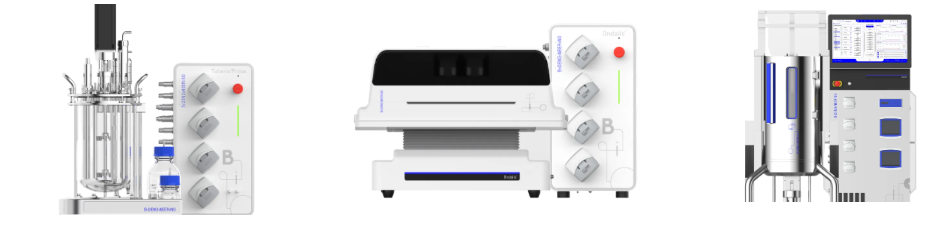
Benchtop Bioreactor Wave Bioreactor Single-Use Bioreactor
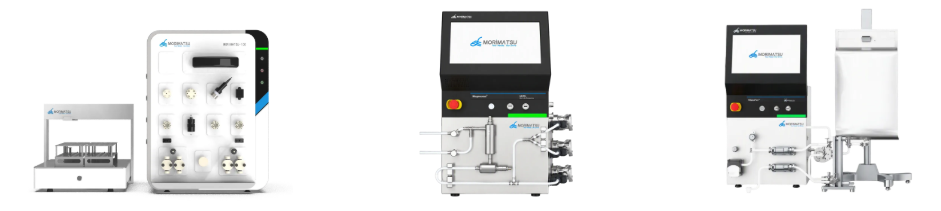
Chromatography System Single-Use Liquid Preparation System Single-Use Tangential Flow System
The key to technology selection is choosing a manufacturing solution that aligns with the product, production capacity, quality requirements, and business model. By understanding both the benefits of single-use perfusion, including higher productivity per unit volume, greater flexibility, and continuous processing, and its challenges in cost, scale-up, supply chain management, and long-term operational stability, companies can turn advanced biomanufacturing technologies into sustainable competitive advantages.
About Morimatsu LifeSciences
Morimatsu LifeSciences is a key business segment of Morimatsu International Holdings Limited (Stock Code: 2155.HK). It comprises Shanghai Morimatsu Pharmaceutical Equipment Engineering Co., Ltd., Morimatsu (Suzhou) LifeSciences Co., Ltd., Shanghai Morimatsu Biotechnology Co., Ltd., Shanghai Mori-Biounion Technology Co., Ltd., Shanghai Morisora Technology Co., Ltd., Bioengineering AG, Pharmadule Morimatsu AB, and its affiliated companies.
Morimatsu LifeSciences is dedicated in providing core equipment, process systems, and smart modular facility solutions, and services for the pharmaceutical, biopharmaceutical, medical aesthetics, and fast-moving consumer goods (FMCG) sectors including (cosmetics, food, and health supplements), as well as data centers.
Our team comprises highly experienced professionals with deep expertise in process R&D, engineering design, advanced manufacturing, compliance and validation consulting, production execution, and intelligent operations. With broad experience across diverse industries, we fully understand the unique characteristics and process requirements of various products. This enables us to deliver tailored, end-to-end process solutions from the conceptual design stage, precisely aligned with client’s specific needs.
Morimatsu LifeSciences has established a strong global presence, supported by advanced R&D centers, design hubs, and state-of-the-art manufacturing facilities worldwide. Our well-established service network spans Europe,USA,Asia-Pacific, and emerging markets. We have successfully delivered outstanding, customized solutions to clients in over 40 countries and regions, gaining extensive experience in international project execution.
As a multinational enterprise with core strengths in process technology, modular facility construction, and intelligent manufacturing, Morimatsu LifeSciences is dedicated to meeting the evolving equipment and system needs of our key industries. Through continuous innovation and technological advancement, we are steadily expanding our global footprint, driving our international strategy forward, and delivering Morimatsu’s expertise, reliability, and innovation to the global life sciences and related sectors.