
Chinese hamster ovary (CHO) cells are widely used in biopharmaceutical manufacturing and serve as the primary production platform for more than 80% of therapeutic monoclonal antibodies. However, during process development and production-scale manufacturing, many professionals face the following challenges:
Small-scale, low-density cultures perform well, but once high-density fed-batch or perfusion culture is introduced, cell viability declines prematurely and antibody titers decrease significantly.
Processes remain stable at laboratory scale, but after scale-up to production scale, cell health deteriorates rapidly and critical product quality attributes fall outside the acceptable specifications.
Even when key process parameters such as pH, dissolved oxygen (DO), and agitation speed are maintained within recommended ranges, cells may still experience growth arrest, metabolic imbalance, and insufficient protein expression.
In practice, more than 90% of culture-related issues result from an incomplete understanding of CHO cell tolerance limits, particularly their sensitivity thresholds to shear stress, pH fluctuations, and DO variations, as well as the “hidden damage” that may occur during high-density culture and scale-up. This article provides a systematic overview of the physiological and metabolic characteristics of CHO cells and discusses strategies to address these challenges at their root causes.
High shear force
Beyond Mechanical Damage: Sublethal Effects Are More Difficult to Detect
Unlike cells with rigid cell walls, CHO cells are more like “soft microcapsules” protected only by a cell membrane, making them highly sensitive to shear stress. Shear stress affects not only cell survival but also cell growth, metabolism, and antibody production. Its impact can generally be classified into two categories: lethal and sublethal effects.
Lethal shear: Directly disrupts the cell membrane, causing the release of intracellular lactate dehydrogenase (LDH) and triggering necrosis. Alternatively, cytoskeletal deformation may activate apoptotic pathways. Tolerance thresholds vary significantly among cell lines. For example, the threshold is approximately 29.70 Pa for CHO-6E6 cells, compared with only 24.80 Pa for CHO-GS cells.
Sublethal shear: Even when shear stress remains below the lethal threshold, prolonged exposure to elevated shear levels can disrupt the cell cycle, impair transcription and protein synthesis, alter metabolic pathways, and affect product quality attributes. Studies have shown that CHO cells may exhibit transcriptional stress at an average shear stress level as low as 0.52 Pa, accompanied by a reduced cell-specific antibody production rate. Continuous exposure to 1 Pa shear stress may directly induce necrosis.
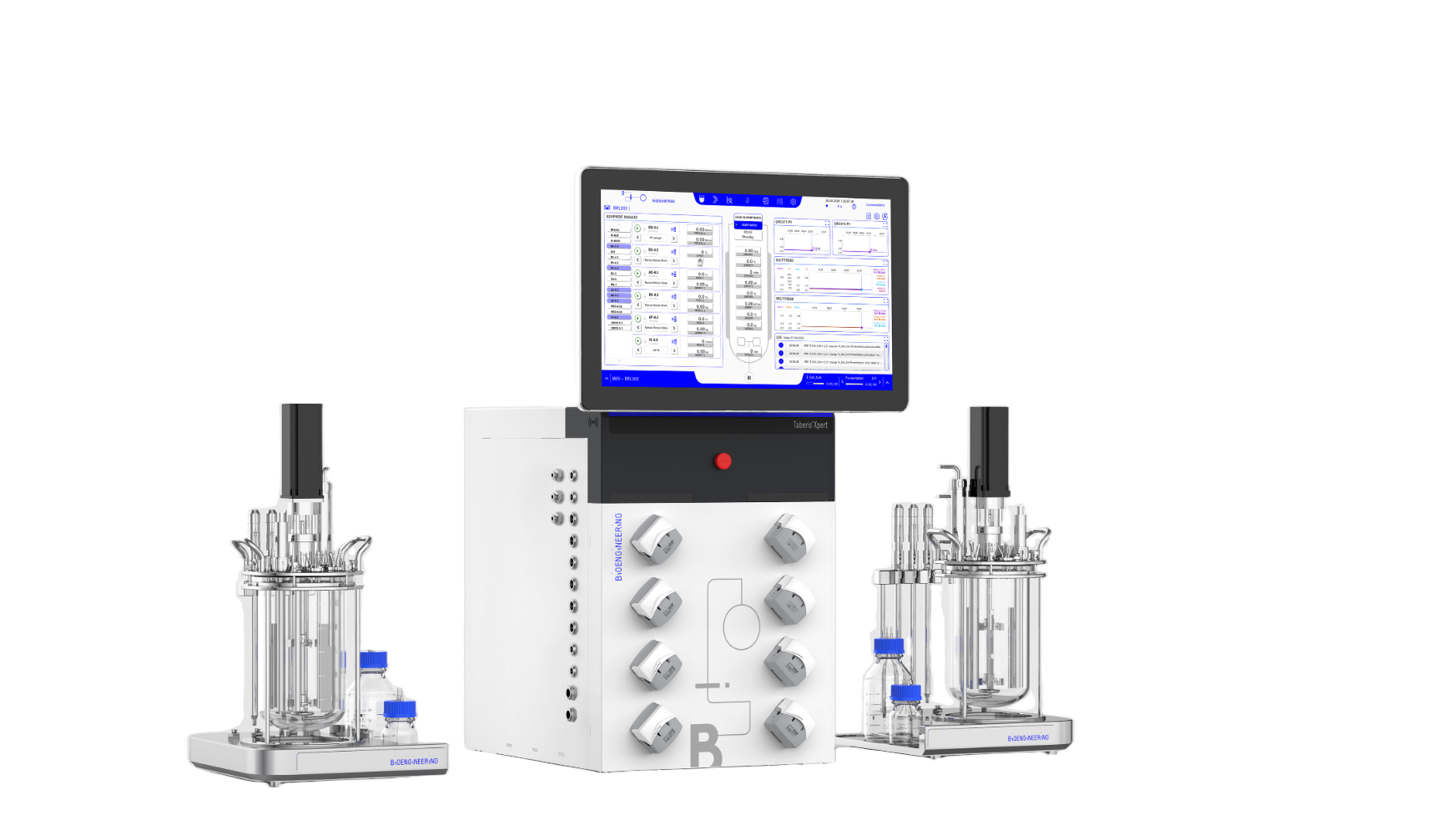
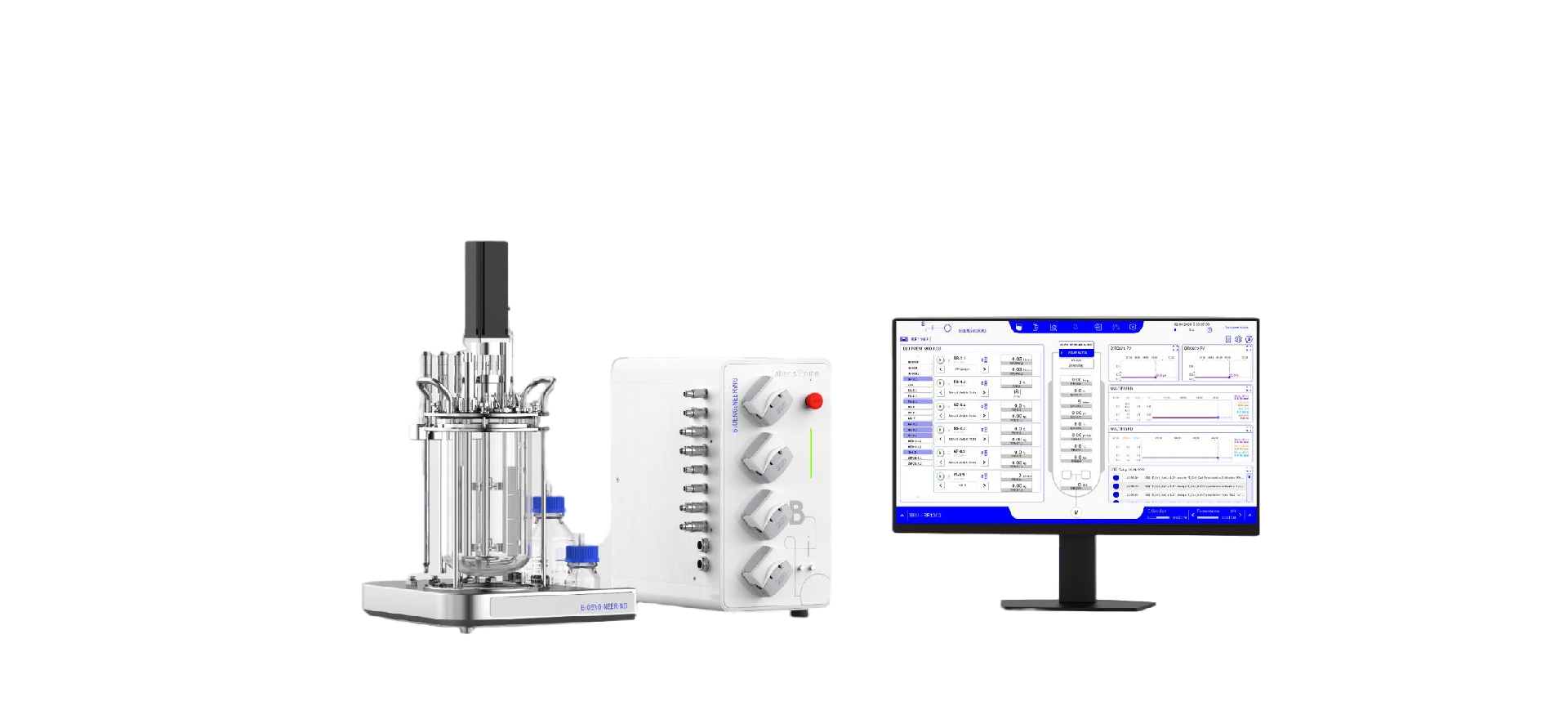
Bioengineering Taberis Prime bioreactor Bioengineering Taberis Prime bioreactor
The frequency of shear exposure often has a greater impact than the instantaneous peak. This is especially pronounced in high-density culture and scale-up.
Challenges in high-density culture
At high cell densities, increased agitation and aeration are typically required to enhance mixing and mass transfer, which directly increases shear stress within the system. Meanwhile, collisions between cells and impellers, bubbles, and other interfaces occur more frequently. As a result, shear levels considered “safe” in conventional cultures may still induce significant sublethal stress under high-density conditions.
Challenges in scale-up
Large-scale bioreactors are more likely to develop localized high-shear regions, particularly near impeller zones, bursting bubbles, and areas with flow restrictions in piping systems. As cells repeatedly pass through these high-shear environments, cell proliferation may slow, antibody titers may decrease, and glycosylation patterns may be altered, potentially affecting overall batch quality and regulatory compliance.

Marine impeller A510 impeller A315 impeller Rushton impeller
Different types of impellers
pH imbalance
From Acid Stress to Alkaline Damage: Maintaining pH Homeostasis Is Critical
pH is a key chemical parameter that regulates cellular enzyme activity and metabolic behavior. CHO cells require a relatively narrow pH range for optimal growth and productivity, and deviations from this range can trigger a series of physiological disturbances:
Optimal pH range: 7.0–7.4
Short-term tolerance limits: lower limit 6.6; upper limit 7.8
Acid stress (pH < 6.8): typically associated with lactate accumulation. Under acidic conditions, oxidative phosphorylation is impaired while glycolysis is enhanced, creating a cycle of increased glucose consumption and continued lactate production. At the same time, cell cycle progression is inhibited, antibody synthesis and folding are reduced, and glycosylation quality may deteriorate.
Alkaline stress (pH > 7.6): often caused by excessive CO₂ stripping or over-addition of base. Elevated pH disrupts glutamine metabolism, resulting in ammonia accumulation and increased apoptosis. In addition, high pH conditions may increase antibody charge heterogeneity and the proportion of basic variants, potentially affecting drug stability and regulatory compliance.
pH Challenges in High-Density Culture and Scale-Up:
At high cell densities, metabolic activity increases substantially, causing rapid pH fluctuations that are difficult to control using conventional PID systems.
In large-scale bioreactors, extended mixing times may result in regional pH differences of 0.3–0.5 units. As cells circulate through these zones, they experience repeated acid–base shifts, and this dynamic heterogeneity can be more detrimental than a constant pH deviation.
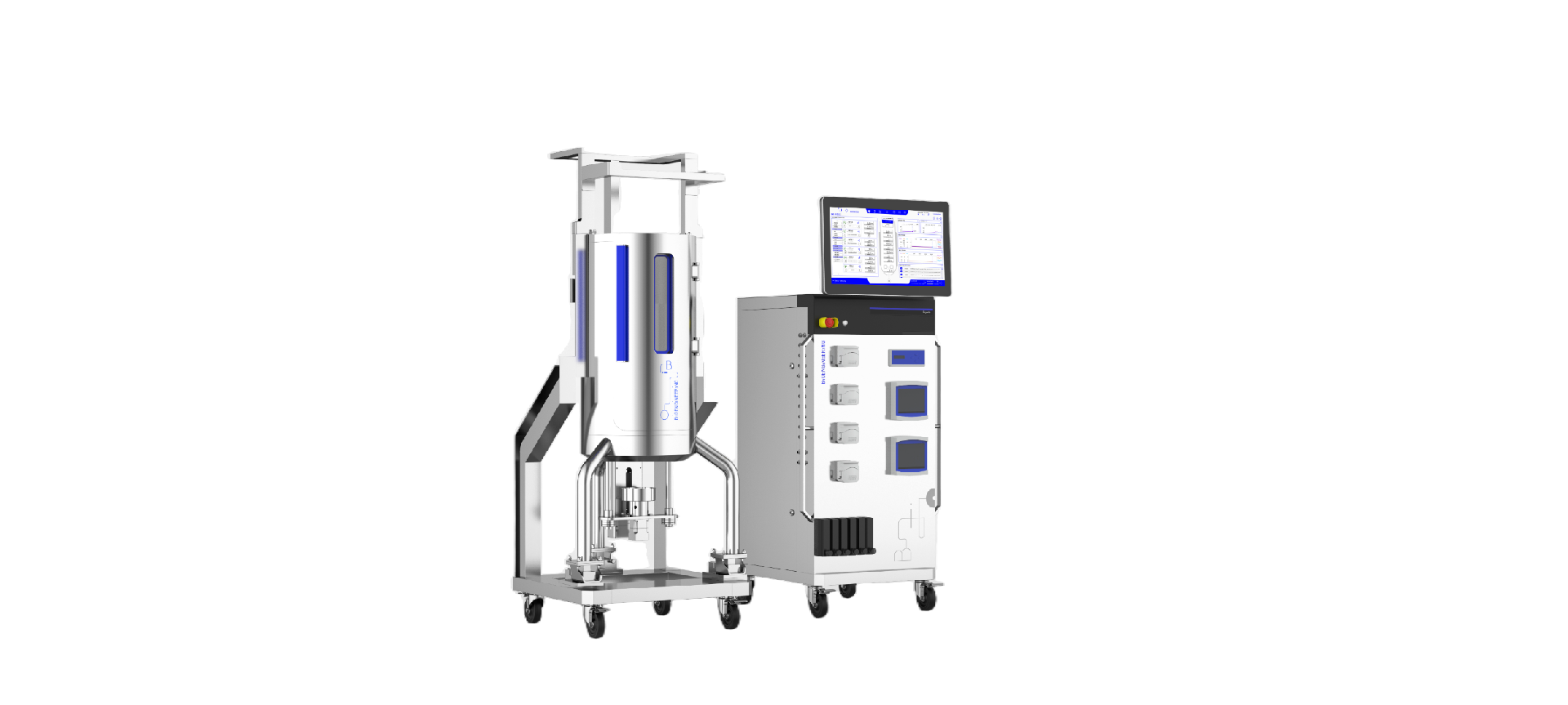
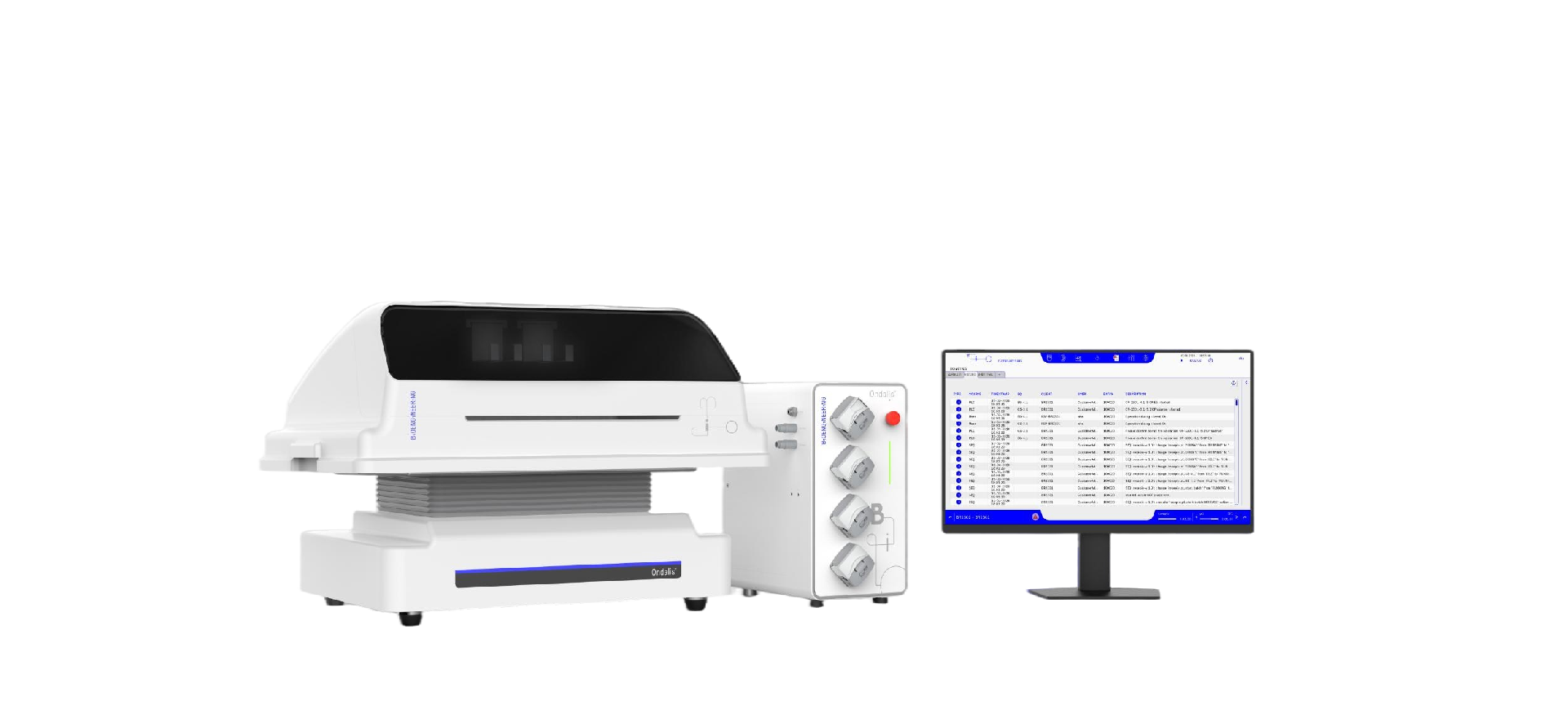
Bioengineering Bagento Single-Use Bioreactor Bioengineering Ondalis Wave-Type Single-Use Bioreactor
Dissolved oxygen management
Both Oxygen Deficiency and Excess Can Be Harmful, and Fluctuation Frequency Matters
Dissolved oxygen (DO) plays a critical role in cellular respiration and energy metabolism, and its availability directly influences cell growth and protein expression.
Optimal DO range: 30%–80% of air saturation (typically 30%–50% in industrial production)
Tolerance limits: Sustained DO levels below 10% or above 100% may cause irreversible cellular damage
Hypoxic stress (DO < 20%): Insufficient oxygen availability forces cells to rely more heavily on glycolysis, accelerating glucose consumption and lactate production. Hypoxia can also inhibit cell growth, reduce viable cell density, activate apoptotic pathways, and alter antibody glycosylation patterns, potentially affecting drug half-life.
Hyperoxic stress (DO > 80%): Excessive dissolved oxygen promotes the generation of reactive oxygen species (ROS), leading to oxidative stress that damages DNA, proteins, and cell membranes. This can inhibit cell proliferation and cause antibody oxidation, potentially compromising product stability and bioactivity.
Challenges in DO Management During High-Density Culture and Scale-Up:
In high-density cultures, oxygen demand increases significantly, creating a risk of localized oxygen depletion. Maintaining DO levels may require excessive oxygen sparging, which introduces additional challenges, including oxidative stress and bubble-induced shear damage.
Studies have shown that the frequency of DO fluctuations can affect cell performance as significantly as absolute DO levels. Frequent DO changes in high-density cultures may substantially reduce cell growth rates and antibody titers.
In large-scale bioreactors, uneven oxygen distribution can repeatedly expose circulating cells to alternating hypoxic and hyperoxic conditions, further aggravating metabolic imbalance and oxidative stress.
System Solution
Start with Bioreactor Design to Achieve Uniform Process Conditions and Stable Control
Achieving reliable scale-up from laboratory development to commercial production requires more than simply maintaining target process parameters. Bioreactor design and process control must work together to provide CHO cells with a uniform, stable, and low-stress physicochemical environment.
Leveraging computational fluid dynamics (CFD) simulations and cell physiology data, we have comprehensively optimized our glass bioreactor design:
Through flow-field optimization, the design achieves efficient mixing and mass transfer while significantly reducing localized shear peaks and minimizing high-shear exposure frequency, meeting the low-shear requirements of high-density cell culture.
High-precision pH and DO sensors, combined with multi-stage aeration and enhanced mixing capabilities, enable faster response and more uniform distribution of key process parameters throughout large-scale bioreactors. This effectively addresses metabolic fluctuations associated with high cell densities and process heterogeneity during scale-up.
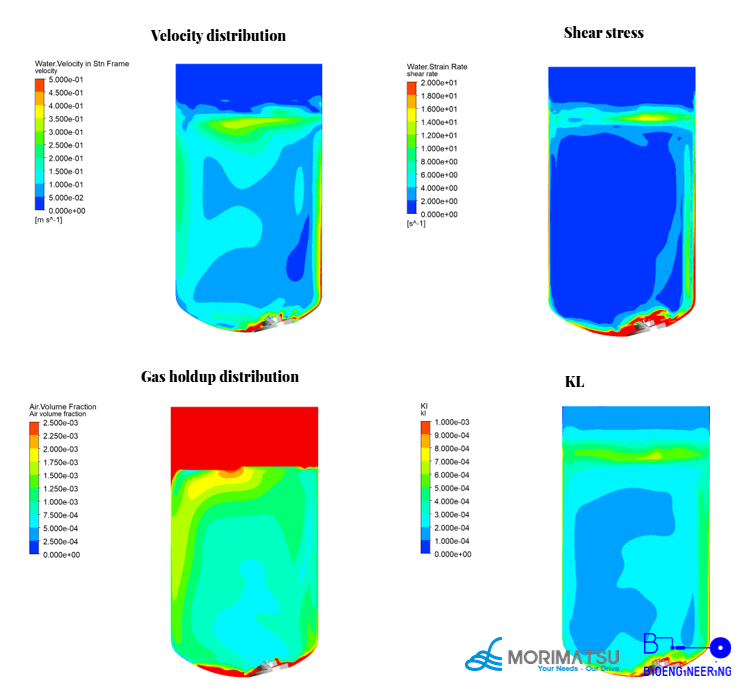
CFD flow-field simulation
Successful CHO cell culture begins with a thorough understanding of cellular physiological tolerance limits, supported by appropriate process strategies and equipment design to establish a stable and consistent growth environment. By addressing the fundamental needs of CHO cells, process development and production scale-up can achieve greater reliability, consistency, and confidence.
References
[1] Zhang, B.; Ran, Q.; Dai, G.; Ye, Q.; Zhao, L.; Tan, W.-S. Comparison of Perfusion Culture Performance in Orbitally Shaken Bioreactors and Stirred Tank Bioreactors: A Spatiotemporal Dynamic Analysis of Shear Stress and Mass Transfer Based on Suspension Rheology. Processes 2025, 13, 955. [2] Paul K, Böttinger K, Mitic B M, et al. Development, characterization, and application of a 2-compartment system to investigate the impact of pH inhomogeneities in large-scale CHO-based processes[J]. Engineering in Life Sciences, 2020, 20(5-6): 197-204.
[3] Möller J, Fricke J, Kraume M. Predictive model for pH gradient evolution in bioreactors applied to mammalian cell culture processes[J]. Biotechnology Progress, 2020, 36(3): e2957.
[4] Jiang R, Chen H, Xu S. pH excursions impact CHO cell culture performance and antibody N-linked glycosylation[J]. Bioprocess and Biosystems Engineering, 2018, 41(12): 1731-1741.
[5] Langheinrich C, Nienow A W. Control of pH in large scale, free suspension animal cell bioreactors: Alkali addition and pH excursion[J]. Biotechnology and Bioengineering, 1999, 66(3): 171-179.
[6] Brunner M, Braun P, Doppler P, et al. The impact of pH inhomogeneities on CHO cell physiology and fed-batch process performance-two-compartment scale-down modelling and intracellular pH excursion[J]. Biotechnology Journal, 2017, 12(7): 1600633.
[7] Manahan M, Nelson M, Cacciatore J J, et al. Scale-down model qualification of ambr® 250 high-throughput mini-bioreactor system for two commercial-scale mAb processes[J]. Biotechnology Progress, 2019, 35(4): e2870.
[8] Zakrzewski R, Lee K, Lye G J. Development of a miniature bioreactor model to study the impact of pH and DOT fluctuations on CHO cell culture performance as a tool to understanding heterogeneity effects at large-scale[J]. Biotechnology Progress, 2022, 38(4): e3264.
[9] Ihling N, Munkler L P, Berg C, et al. Time-resolved monitoring of the oxygen transfer rate of Chinese hamster ovary cells provides insights into culture behavior in shake flasks[J]. Frontiers in Bioengineering and Biotechnology, 2021, 9: 725498.
[10] Anane E, Knudsen I M, Wilson G C. Scale-down cultivation in mammalian cell bioreactors—The effect of bioreactor mixing time on the response of CHO cells to dissolved oxygen gradients[J]. Biochemical Engineering Journal, 2021, 167: 107870.
About Morimatsu LifeSciences
Morimatsu LifeSciences is a key business segment of Morimatsu International Holdings Limited (Stock Code: 2155.HK). It comprises Shanghai Morimatsu Pharmaceutical Equipment Engineering Co., Ltd., Morimatsu (Suzhou) LifeSciences Co., Ltd., Shanghai Morimatsu Biotechnology Co., Ltd., Shanghai Mori-Biounion Technology Co., Ltd., Shanghai Morisora Technology Co., Ltd., Bioengineering AG, Pharmadule Morimatsu AB, and its affiliated companies.
Morimatsu LifeSciences is dedicated in providing core equipment, process systems, and smart modular facility solutions, and services for the pharmaceutical, biopharmaceutical, medical aesthetics, and fast-moving consumer goods (FMCG) sectors including (cosmetics, food, and health supplements), as well as data centers.
Our team comprises highly experienced professionals with deep expertise in process R&D, engineering design, advanced manufacturing, compliance and validation consulting, production execution, and intelligent operations. With broad experience across diverse industries, we fully understand the unique characteristics and process requirements of various products. This enables us to deliver tailored, end-to-end process solutions from the conceptual design stage, precisely aligned with client’s specific needs.
Morimatsu LifeSciences has established a strong global presence, supported by advanced R&D centers, design hubs, and state-of-the-art manufacturing facilities worldwide. Our well-established service network spans Europe,USA,Asia-Pacific, and emerging markets. We have successfully delivered outstanding, customized solutions to clients in over 40 countries and regions, gaining extensive experience in international project execution.
As a multinational enterprise with core strengths in process technology, modular facility construction, and intelligent manufacturing, Morimatsu LifeSciences is dedicated to meeting the evolving equipment and system needs of our key industries. Through continuous innovation and technological advancement, we are steadily expanding our global footprint, driving our international strategy forward, and delivering Morimatsu’s expertise, reliability, and innovation to the global life sciences and related sectors.